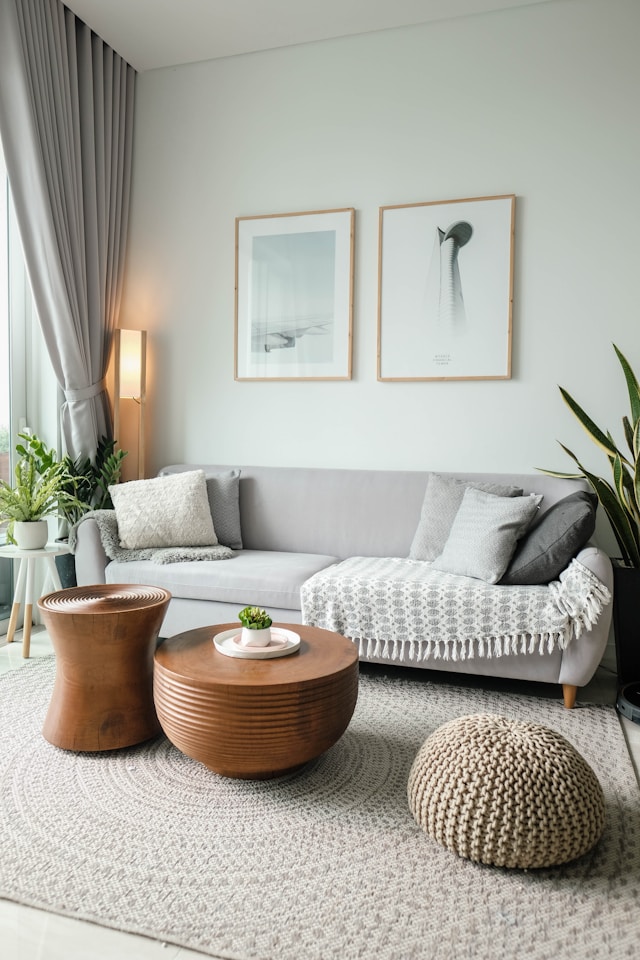
Living in a compact urban space often feels like a constant trade-off between style and functionality. In a tiny apartment, every square inch of floor space is spoken for, and the idea of adding a sprawling indoor garden can seem impractical. However, the psychological and aesthetic benefits of bringing nature indoors are too significant to ignore. Plants purify the air, reduce stress levels, and add a vibrant, organic texture that cold furniture simply cannot replicate. The secret to success for the apartment dweller lies in selecting “low-maintenance” greenery—species that thrive in limited light, require infrequent watering, and grow vertically rather than horizontally.
Why Indoor Plants are Essential for Small-Scale Living
The “Power of Green” isn’t just a catchy phrase; it is rooted in the concept of biophilia, the innate human tendency to seek connections with nature. In a small apartment, air can quickly become stagnant. Scientific studies, including those conducted by NASA, have shown that certain houseplants can filter out common household toxins like formaldehyde and benzene. Beyond the air quality, plants act as “visual softeners.” In a room filled with the sharp angles of a desk, a bed, and a television, the organic curves of a leaf provide a much-needed visual break. They make a space feel lived-in and cared for, turning a temporary rental into a true home.
The Snake Plant: The Ultimate Warrior for Dark Corners
If you are a beginner or someone who travels frequently, the Snake Plant (Sansevieria) is your best friend. Often called “mother-in-law’s tongue,” this plant is nearly indestructible. It is the perfect candidate for a tiny apartment because it grows strictly upright, meaning it won’t encroach on your walking space. Snake plants are famous for their ability to survive in low-light conditions, making them ideal for apartments with small windows or north-facing views.
Perhaps their most impressive feature is their CAM (Crassulacean Acid Metabolism) photosynthesis process. Unlike most plants that release oxygen during the day, the Snake Plant releases oxygen at night, making it an excellent companion for a small bedroom. Maintenance is minimal; you only need to water it once every two to three weeks, as overwatering is the only real way to harm this resilient species.
Pothos: The Versatile Vine for Vertical Interests
When floor space is zero, look to the ceiling and the shelves. The Pothos (Epipremnum aureum) is a fast-growing vine that is incredibly forgiving. Its heart-shaped leaves can be variegated with gold, white, or yellow, adding a splash of color to your decor. The beauty of the Pothos is its versatility. You can place it on a high shelf and let the vines drape down, creating a “curtain of green,” or you can train it to climb a small moss pole or a wall string.
Pothos plants are excellent communicators; when they are thirsty, their leaves will wilt slightly, telling you exactly when it’s time for a drink. Once watered, they perk back up within hours. They thrive in moderate light but can adapt to lower light levels, making them the gold standard for apartment greenery.
ZZ Plant: Elegance That Thrives on Neglect
The ZZ Plant (Zamioculcas zamiifolia) looks like a high-maintenance, exotic specimen with its waxy, deep green leaves and structural stems, but it is actually one of the easiest plants to care for. It is remarkably drought-tolerant because it grows from large, potato-like rhizomes underground that store water. This means if you forget to water it for a month, the ZZ plant will likely be just fine.
In a tiny apartment, the ZZ plant is a great choice for a tabletop or a corner. It grows slowly, so you won’t have to worry about it outgrowing its pot or your space anytime soon. Its glossy leaves reflect light, which can actually help brighten up a dim corner of a studio apartment. It is a “set it and forget it” plant that maintains its polished, professional look with almost zero effort.
Spider Plants: The Air-Purifying Specialists
Spider Plants (Chlorophytum comosum) are a classic for a reason. They are famous for producing “babies”—small plantlets that hang down from the mother plant like little spiders on a web. For an apartment dweller, this is a fun way to grow your collection for free, as these babies can be easily snipped off and rooted in water.
Spider plants prefer bright, indirect light but are very adaptable. They are particularly effective at removing carbon monoxide and xylene from the air. Because they have a “fountain-like” growth habit, they look best in hanging planters or perched on a pedestal. This keeps your floor clear while adding a sense of movement and energy to the room. They are also non-toxic to cats and dogs, making them a safe choice for pet owners living in close quarters.
Succulents and Cacti: Architectural Beauty in Miniature
For those who have a sunny windowsill, succulents and cacti are the ultimate space-savers. Most varieties, such as Echeveria, Haworthia, or the Jade plant, stay quite small and grow very slowly. They come in an incredible array of shapes, colors, and textures, allowing you to create a “miniature desert” in a single long planter.
The primary rule with succulents is to avoid the urge to mother them. They thrive on neglect and sandy, well-draining soil. In the winter months, they may only need water once a month. Their compact nature makes them perfect for a small coffee table or a bedside stand where a larger plant would be intrusive.
Strategic Styling: How to Integrate Plants into Small Spaces
Maximizing the “Power of Green” in a tiny apartment requires a bit of styling strategy. Use “vertical grouping” to create impact without clutter. Instead of placing one plant on every surface, dedicate one area—like a bookshelf or a window ledge—to a cluster of three different species with varying heights. This creates a focal point that feels intentional rather than accidental.
Consider using mirrored trays under your plants to reflect the greenery and the light, making the collection look more lush. If you are worried about dirt and water damage on your limited furniture, look for “self-watering” pots or decorative ceramic caches that hide the utilitarian plastic nursery pots.
The Lasting Benefits of an Indoor Oasis
Transforming a tiny apartment into a green sanctuary doesn’t require a green thumb or a massive budget. By choosing the right low-maintenance species, you can enjoy the serenity of nature even in the heart of a concrete jungle. These plants are more than just decorations; they are living companions that improve your health, boost your mood, and make your small space feel infinitely more expansive. Whether it’s a single Snake Plant in the corner or a Pothos trailing from the ceiling, the introduction of life into your home is a powerful step toward a more balanced, peaceful lifestyle. Embrace the simplicity of low-maintenance gardening and watch as your small apartment flourishes.