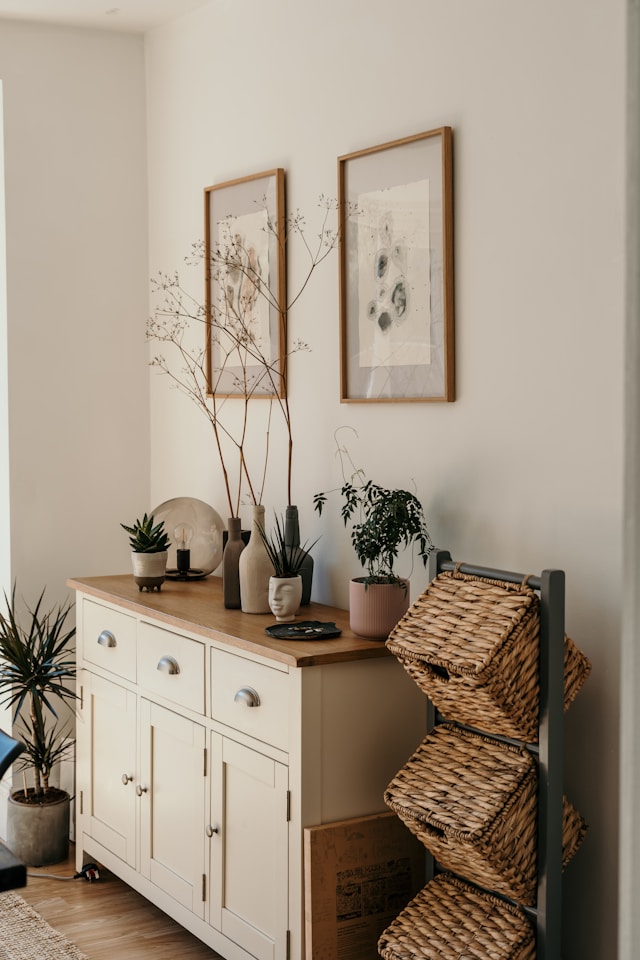
When we discuss interior design, we almost exclusively focus on the visual and the tactile—the color of the walls, the texture of a rug, or the placement of a mirror. However, there is a “hidden” dimension of design that is arguably more powerful in its ability to alter our perception of space: the olfactory. Scented ambience is a sophisticated tool that professional designers use to define the “vibe” of a home. In small apartments or open-plan living areas, where physical walls are often absent, fragrance acts as an invisible boundary. By strategically using luxury candles and diffusers, you can mentally “partition” your home, making a single room serve multiple emotional and functional purposes.
The Science of Scent and Spatial Perception
The human olfactory system is directly linked to the limbic system, the part of the brain responsible for emotions and memory. This is why a specific smell can instantly transport you back to a childhood kitchen or a coastal vacation. In the context of home design, scent influences how “heavy” or “light” a room feels.
Heavier, gourmand scents—like vanilla, tobacco, or amber—create a sense of “enclosure” and intimacy, making them perfect for bedrooms or cozy reading nooks. Conversely, “light” scents—such as citrus, sea salt, or crisp linen—create a sense of “airiness” and openness. In a tiny apartment, a fresh, ozonic fragrance can psychologically “push back” the walls, making the air feel cleaner and the space feel more expansive than its physical dimensions suggest.
Redefining Boundaries in Open-Plan Living
One of the greatest challenges of modern studio or open-concept living is the lack of “zones.” Your workspace might be three feet away from your dining table, which is six feet away from your bed. This can lead to “mental clutter,” where it feels impossible to truly disconnect from work or chores.
Luxury candles and diffusers allow you to create “aromatic zones.” By placing a reed diffuser with a sharp, invigorating scent like eucalyptus or peppermint near your desk, you signal to your brain that this is a zone of productivity. In the living area, a candle with notes of sandalwood or cedarwood creates a distinct “relaxation zone.” When you move from one scent profile to another, your brain registers a transition in environment, effectively “walking through a door” even if no physical wall exists.
Luxury Candles: The Dual Benefit of Light and Fragrance
A luxury candle is the ultimate “multi-tasker” in a small-scale statement. It provides a high-impact visual—often housed in beautiful ceramic, glass, or marble vessels that act as “home jewelry”—while also providing a flickering source of ambient light. This “double-dose” of sensory input is incredibly effective at setting a mood.
The quality of the candle matters significantly for “AdSense-friendly” living environments. Mass-market candles often use paraffin wax and synthetic fragrances that can release soot and lead to a “chemical” smell. Luxury candles typically use soy, beeswax, or coconut wax blends with high concentrations of essential oils. This results in a “cleaner throw”—meaning the scent travels further and more evenly throughout the room without becoming overwhelming. In a small space, a high-quality candle provides a subtle, sophisticated background note rather than a thick, artificial cloud.
Reed Diffusers: The Constant “Baseline” of a Home
While candles are perfect for intentional moments—like a dinner party or a evening bath—reed diffusers provide a constant “baseline” for your home’s aesthetic. They are the perfect “set it and forget it” solution for areas like entryways and bathrooms.
An entryway diffuser is particularly important because it sets the “first impression” of your home. A welcoming scent of bergamot or white tea immediately tells a visitor (and yourself, when you return from a long day) that the outside world has been left behind. Because diffusers don’t require a flame, they are safe for small nooks where you might not be able to constantly monitor a candle. They provide a continuous, low-level fragrance that ensures the room never feels “stale,” even if the windows have been closed all day.
The “Zest” of the Kitchen: Neutralizing and Refreshing
The kitchen is the one area where scent can become a disadvantage, especially in a small apartment where cooking smells can easily migrate to the bedroom. Luxury room sprays and specialized “kitchen candles” are designed with citrus and herbal notes—like lemon, basil, or rosemary—that help to neutralize food odors rather than just masking them.
Using a “fresh” scent profile in the kitchen area creates a boundary of cleanliness. It separates the functional, “active” scent of the kitchen from the “restful” scent of the living area. This olfactory separation is essential for preventing a small home from feeling “one-note” and ensuring that every area remains pleasant and inviting throughout the day.
Creating a Ritual: The Evening “Scent-Down”
Just as we have a “wind-down” routine for our electronics, we can use scent to engineer a “scent-down” for our mental state. Lighting a specific candle at the same time every evening creates a powerful behavioral trigger.
For many, a lavender or chamomile scent signals that the workday is officially over. This ritual is especially important for freelancers or those who work from home, as it provides a clear temporal boundary. The act of striking a match and watching the flame catch is a meditative moment that centers the mind. In a home that is physically small, these “temporal boundaries” created by scent and ritual provide the variety and structure that a larger home might provide through multiple rooms.
Styling Your Scent: The Aesthetic Vessel
In a curated home, the vessel is just as important as the fragrance. Luxury brands put immense effort into the design of their containers. A minimalist matte black jar, a hand-painted porcelain pot, or a heavy glass votive acts as a sculptural accent on a coffee table or a bookshelf.
Once the candle has burned down, these vessels can be repurposed as “Functional Art.” They become chic holders for makeup brushes, pens, or even small succulents (matching the “Power of Green” aesthetic). This longevity ensures that your investment in a luxury candle continues to pay off in the visual design of your home long after the fragrance is gone.
Seasonal Shifts: Aligning Scent with the Calendar
One of the easiest ways to keep a small space feeling “fresh” is to change your home fragrance with the seasons. In the spring and summer, opt for “floral” and “green” notes that mimic the feeling of an open window and a blooming garden. In the autumn and winter, shift toward “spiced” and “woody” scents that provide a sense of warmth and “hygge.”
This seasonal rotation prevents “olfactory fatigue”—the phenomenon where you stop noticing a scent because it is always there. By changing the scent, you “re-discover” your home every few months. It keeps the environment dynamic and exciting, proving that you don’t need new furniture to make a room feel brand new.
The Final Layer of Home Design
Scented ambience is the “invisible layer” that pulls a home together. It is the thread that connects the “Reflective Depth” of your mirrors with the “Tactile Comfort” of your textiles. By choosing luxury candles and diffusers that reflect your personal style, you are taking full control of your environment. You are defining your boundaries, enhancing your mood, and ensuring that your home—no matter its size—is a multi-sensory sanctuary. Clear the air, light the wick, and let the scent redefine the limits of your world.