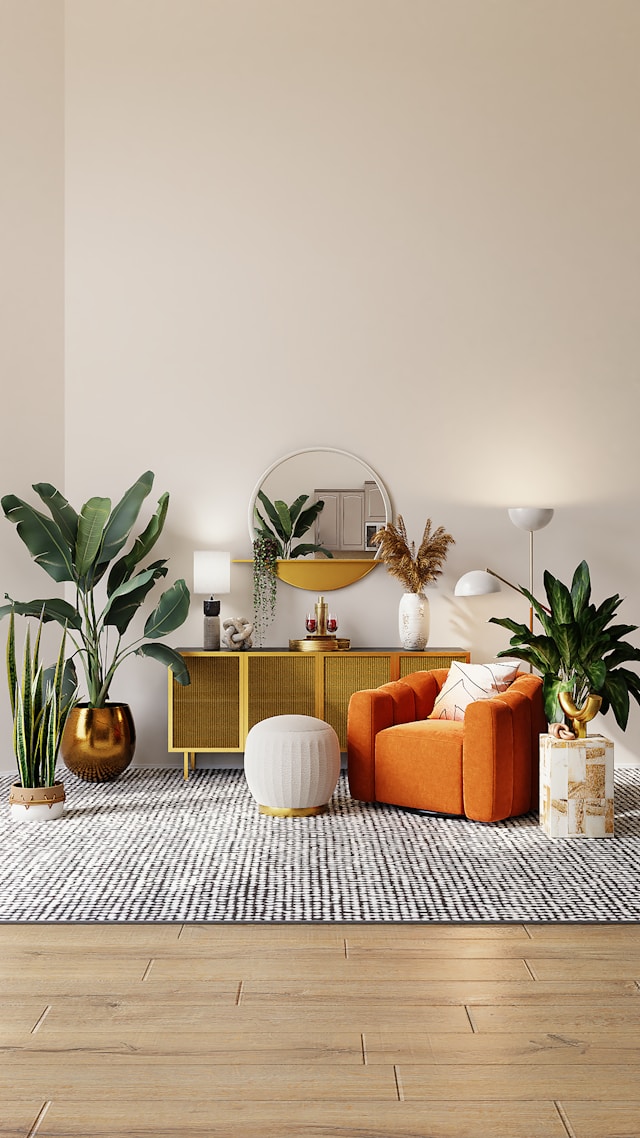
In the modern home, space is often the most valuable luxury we have. As urban living trends lean toward smaller footprints and minimalist aesthetics, the challenge of storage becomes a creative puzzle. We often look at our floor plans and see clutter, but we rarely look at our walls and see potential. Floating shelves are the ultimate solution to this dilemma, offering a blend of functional storage and high-end design that literally lifts the weight off your floor. By shifting your perspective from horizontal to vertical, you can transform a cramped room into an airy, organized sanctuary.
Why Vertical Thinking is the Key to Modern Organization
The primary reason our homes feel cluttered is the “floor-bound” mentality. We buy cabinets, bookshelves, and chests of drawers that occupy precious square footage. Every leg of a piece of furniture breaks up the visual flow of a room, making it feel smaller and more fragmented. Wall shelves, particularly floating designs without visible brackets, eliminate these visual anchors. When the floor remains visible all the way to the baseboard, the human eye perceives the room as being significantly larger. This is the core principle of “floating simplicity.” It isn’t just about putting things away; it is about reclaiming the ground you walk on.
Strategic Placement for Maximum Impact
To truly maximize floor space, placement must be intentional. One of the most underutilized areas in any home is the “dead space” above furniture or in corners. For instance, in a small home office, replacing a bulky floor-standing bookshelf with three deep floating shelves above your desk immediately clears the floor for a more comfortable chair or simply more breathing room.
In the living room, consider the space around the television. Traditional media consoles are heavy and take up a massive amount of floor space. By mounting your screen and surrounding it with staggered floating shelves, you create a dedicated media hub that feels integrated into the architecture of the house rather than an after-thought pushed against the wall. This strategy works equally well in hallways, where floor space is at its narrowest. A slim floating ledge can hold keys, mail, and decorative items without impeding the flow of foot traffic.
The Functional Kitchen: Beyond Traditional Cabinets
Kitchens are notorious for being cluttered, often due to massive upper cabinets that make the room feel top-heavy and dark. Many homeowners are now opting for the “open shelving” movement to create a sense of breathability. By removing bulky cabinets and installing sturdy wall shelves, you keep your most-used items—plates, spice jars, and coffee mugs—within arm’s reach.
From a floor-space perspective, this allows you to perhaps install a smaller, more mobile kitchen island or a bistro table that wouldn’t have fit before. The key here is to use the full height of the wall. Store your daily essentials on the lower shelves and reserve the highest shelves for items you use less frequently, such as large serving platters or seasonal decor. This vertical hierarchy ensures that nothing is wasted and the floor remains clear for movement.
Creating a Vertical Garden and Library
For those who love plants and books, the floor is often the first place these collections start to pile up. Large potted plants and overflowing book stacks are beautiful, but they are notorious space-eaters. Wall shelves allow you to curate these collections vertically.
A “living wall” created with floating shelves can hold various trailing plants like Pothos or Ivy, which naturally draw the eye upward and add life to a room without requiring a dedicated plant stand. Similarly, a floor-to-ceiling library of floating shelves creates a stunning focal point while saving several square feet of floor space that a traditional heavy mahogany bookshelf would occupy. This approach turns your possessions into a form of wall art, providing a dual purpose of storage and decoration.
The Psychological Benefits of Clear Floors
There is a profound psychological shift that occurs when a room’s floor is clear. Clutter at eye level is manageable, but clutter at the feet often leads to a sense of being “trapped” or overwhelmed in one’s own home. By utilizing wall shelves, you create clear pathways. This accessibility makes cleaning easier—no more vacuuming around heavy furniture legs—and promotes a sense of calm. Minimalist design isn’t about owning nothing; it’s about ensuring that everything you own has a place that doesn’t interfere with your ability to move freely through your environment.
Choosing the Right Material and Weight Capacity
To ensure your floating shelves are successful, you must consider the technical side of the installation. Not all shelves are created equal. For heavy items like books or kitchen canisters, you must ensure the shelves are anchored into wall studs or used with high-quality toggle bolts.
Materials also play a huge role in the “simplicity” aesthetic. Natural wood adds warmth and a rustic touch, while glass or acrylic shelves can almost disappear against a white wall, further enhancing the illusion of space. If you are aiming for an industrial look, metal shelves offer incredible durability and a thin profile. The goal is to choose a material that complements your existing decor while providing the structural integrity needed to keep your floor-bound items safely tucked away on the wall.
Organizing Your Shelves for a Clean Aesthetic
Once the shelves are up, the way you style them will determine if the room feels organized or just “cluttered at a higher altitude.” The “rule of three” is a classic interior design tip: group items in odd numbers to create visual balance. Avoid overstuffing the shelves; leave some “white space” or empty gaps between items. This emptiness is what contributes to the feeling of simplicity.
Use decorative baskets on lower wall shelves to hide unsightly items like charging cables, remote controls, or children’s toys. By keeping the “mess” inside a uniform container on a shelf, you maintain the clean lines of the room. This transitions the shelf from a simple plank of wood into a sophisticated organizational system.
The Longevity of Floating Shelves in Home Design
Trends come and go, but the need for space is permanent. Floating shelves have remained a staple of interior design because they are adaptable. As your needs change—perhaps a home office becomes a nursery—the shelves can stay, serving a new purpose with different items. They are a low-cost, high-impact investment that increases the perceived value of your home.
In conclusion, maximizing floor space is about more than just getting rid of things. It is about clever engineering and aesthetic choices that favor the vertical over the horizontal. By embracing floating simplicity, you can turn your walls into a functional canvas, proving that even the smallest rooms have plenty of space—it’s just waiting to be discovered on the walls. Clear your floors, lift your belongings, and breathe new life into your living space.