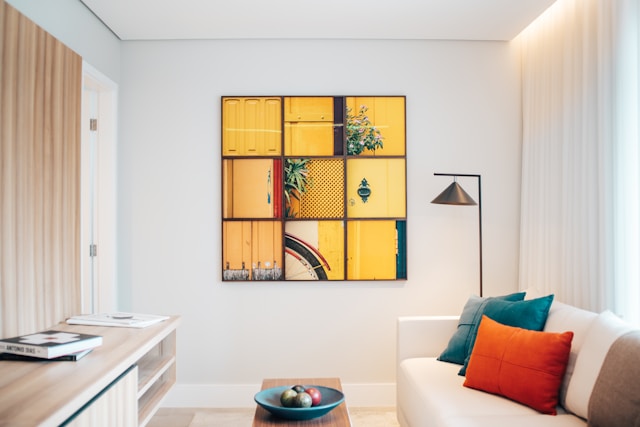
Minimalism is more than just a design trend—it’s a lifestyle that prioritizes simplicity, functionality, and intentional living. A minimalist home feels open, calm, and organized, allowing you to focus on what truly matters while eliminating unnecessary clutter. Adopting a minimalist approach doesn’t mean sacrificing style; in fact, it often leads to a more elegant, cohesive, and visually appealing space.
Whether you’re starting fresh or gradually simplifying your existing home, the following tips will help you create a stylish, clutter-free environment that embodies the principles of minimalism.
Start with Decluttering
The foundation of minimalist decorating is decluttering. Begin by assessing each room and removing items that are unnecessary, outdated, or no longer bring joy.
Sort items into categories: keep, donate, or discard. Be honest about what you really need and what contributes to a cluttered environment. A minimalist home thrives on simplicity, so every item should serve a purpose or hold meaning.
Choose a Neutral Color Palette
Minimalist spaces often rely on neutral colors like white, beige, gray, and soft pastels. These shades create a sense of calm, allow natural light to shine, and provide a versatile backdrop for furniture and accessories.
Using a neutral palette doesn’t mean your space has to be dull. Layer textures, materials, and subtle accent colors to add warmth and visual interest without overwhelming the senses.
Invest in Functional Furniture
In minimalist decorating, every piece of furniture should be purposeful. Opt for functional furniture that fits the scale of your space and avoids unnecessary bulk.
Multi-purpose furniture, such as storage ottomans, foldable tables, or sofa beds, helps maintain a clean, organized environment while providing utility. Choosing quality over quantity ensures longevity and reduces the need for constant replacements.
Embrace Open Spaces
Minimalism is about creating a sense of openness. Avoid overcrowding rooms with too many furnishings or décor items. Give each piece room to breathe, and allow walking paths and visual flow throughout the space.
Open spaces create a feeling of calm and make your home appear larger and more inviting. Consider the negative space—the empty areas around furniture and décor—as a key element of your design.
Use Simple and Clean Lines
Minimalist design favors clean, straight lines over ornate or overly decorative elements. Choose furniture, shelving, and accessories with simple shapes and sleek profiles.
This approach creates a cohesive look and reduces visual clutter, allowing the architecture and natural light of your home to shine. Even a few well-chosen items with clean lines can elevate the style of a room.
Incorporate Quality Over Quantity
In minimalism, fewer items of higher quality are preferable to many inexpensive or low-quality pieces. Invest in furniture, décor, and textiles that are durable, timeless, and aesthetically pleasing.
A minimalist home values long-lasting quality and thoughtful choices over trend-driven accumulation. This not only improves the look of your space but also encourages sustainable living.
Keep Décor Simple and Intentional
Avoid overcrowding surfaces with knick-knacks or decorative items. Select a few meaningful or visually striking pieces for display.
Wall art, a sculptural piece, or a single vase with fresh flowers can add character without clutter. Each item should serve a purpose, whether functional, aesthetic, or emotional, reinforcing the minimalist principle of intentionality.
Maximize Storage Solutions
Clutter-free living requires smart storage. Incorporate hidden storage solutions like built-in cabinets, under-bed drawers, or wall-mounted shelves.
Organized storage allows you to keep essentials accessible while maintaining a clean, open look. Labeling storage or using uniform containers also contributes to a streamlined aesthetic.
Let Natural Light Shine
Minimalist spaces often feel airy and bright, so maximize natural light wherever possible. Use sheer curtains, blinds, or keep windows unobstructed to allow sunlight to fill the room.
Good lighting enhances the sense of openness and reduces the need for excessive decorative elements. Pair natural light with simple, functional lighting fixtures to maintain a warm and inviting atmosphere.
Incorporate Texture for Depth
While minimalism emphasizes simplicity, textures add depth and interest. Combine materials like wood, metal, glass, stone, or textiles to create a visually rich environment without overcrowding.
For example, a wooden coffee table, a soft wool rug, and a linen throw can bring warmth and dimension to a neutral space, making it feel cozy yet uncluttered.
Maintain Consistency Throughout Your Home
A cohesive design enhances the minimalist effect. Use a consistent color palette, similar materials, and uniform design elements across rooms to create harmony.
Even small spaces like hallways or entryways benefit from continuity, which helps your home feel balanced and thoughtfully designed.
Adopt a “One In, One Out” Rule
To maintain a minimalist home over time, implement a “one in, one out” rule. For every new item you bring into your space, remove an existing item.
This practice prevents accumulation, encourages thoughtful purchases, and helps sustain a clutter-free environment.
Focus on Quality Lighting Fixtures
Lighting is both functional and decorative in minimalist homes. Choose simple, well-designed fixtures that complement your space.
Pendant lights, floor lamps, or recessed lighting can add elegance while keeping the look streamlined. Avoid overly ornate designs that can detract from the minimalist aesthetic.
Final Thoughts
Minimalist decorating is about intentionality, simplicity, and creating a home that feels calm, organized, and stylish. By decluttering, choosing functional furniture, embracing open spaces, and focusing on quality over quantity, you can design a home that is both beautiful and practical.
A minimalist home encourages mindful living, reduces stress, and highlights the items that truly matter. With thoughtful choices and attention to detail, you can enjoy a stylish, clutter-free environment that feels inviting, functional, and timeless.