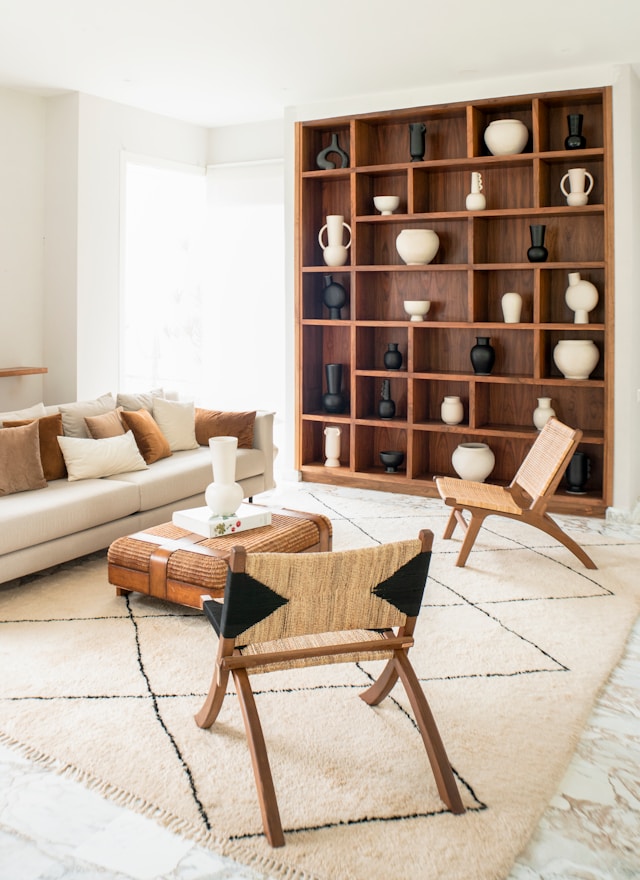
Choosing the right color palette is one of the most important decisions when decorating or redesigning your home. Colors not only define the look of your space but also influence your mood, energy, and the overall atmosphere of each room. The perfect color palette creates harmony, highlights your personal style, and enhances the functionality of your home.
Selecting colors can feel overwhelming because there are endless shades, combinations, and trends to consider. However, with a thoughtful approach, you can choose a palette that transforms your space into a cohesive, inviting, and visually appealing home.
Start with Your Personal Style
Before diving into swatches, consider your personal style. Are you drawn to modern, minimalist designs, or do you prefer cozy, traditional interiors? Perhaps you enjoy vibrant, bold colors or subtle, neutral tones.
Your style will influence the type of colors that resonate with you and ensure that your home reflects your personality. Look at your existing furniture, décor, and favorite spaces for inspiration. This foundation will help guide your color choices.
Consider the Mood You Want to Create
Colors have a powerful effect on emotions and can set the tone for a room. Think about the atmosphere you want to create in each space:
- Living Room: Warm and inviting shades like soft beige, warm gray, or muted pastels can create a welcoming atmosphere for family and guests.
- Bedroom: Calming colors such as soft blues, greens, or lavender promote relaxation and restful sleep.
- Kitchen and Dining Area: Energizing and stimulating colors like yellows, oranges, or rich greens can create a lively environment.
- Home Office: Balanced colors like soft neutrals or muted blues can improve focus and reduce stress.
Understanding the emotional impact of colors helps you choose hues that complement the function of each room.
Start with a Neutral Base
A neutral base provides flexibility and ensures your color palette is cohesive. Shades of white, beige, gray, or taupe can act as a canvas, allowing you to layer in bolder accent colors without overwhelming the space.
Neutrals also make it easier to swap décor, furniture, and textiles over time, giving your home a timeless appeal. Once your base is set, you can introduce accent colors for personality and style.
Use the 60-30-10 Rule
A helpful guideline for creating a balanced color palette is the 60-30-10 rule:
- 60%: Dominant color for walls, large furniture, and flooring.
- 30%: Secondary color for smaller furniture pieces, textiles, or large décor items.
- 10%: Accent color for small decorative pieces, pillows, or artwork.
This rule creates a visually appealing balance between dominant and accent colors, ensuring your space feels harmonious rather than chaotic.
Consider Color Temperature
Colors are often classified as warm or cool, and their temperature affects the overall feel of a room:
- Warm Colors: Reds, oranges, yellows, and warm neutrals create a cozy, inviting environment.
- Cool Colors: Blues, greens, purples, and cool neutrals evoke calmness and relaxation.
Mixing warm and cool tones can create balance, but be mindful of the dominant mood you want to achieve in each room.
Take Lighting into Account
Lighting can drastically change how a color appears. Natural light, artificial lighting, and the direction your windows face can all impact the perception of a shade.
Test paint samples on walls at different times of the day to see how they look in morning, afternoon, and evening light. Consider using energy-efficient bulbs that mimic daylight to better understand how your colors will appear year-round.
Use Accent Colors Strategically
Accent colors are the pops of color that add personality and visual interest to your space. Use them in accessories, throw pillows, rugs, artwork, or even an accent wall.
When choosing accent colors, consider complementary and contrasting shades. Complementary colors are opposite each other on the color wheel and create vibrant contrast, while analogous colors are next to each other and provide a more harmonious look.
Incorporate Textures and Materials
Colors are enhanced by textures and materials. Wood, metal, fabric, stone, and glass all interact with color differently, adding depth and dimension.
For example, a soft gray wall can feel warm and inviting with wooden furniture, or sleek and modern with metal accents. Consider how textures will complement your color choices to create a well-rounded and visually appealing design.
Test Before Committing
Always test paint colors and fabrics before committing. Paint swatches, sample pots, or online visualization tools can help you see how colors look in your space.
Apply small patches of paint on different walls, and observe how the colors change under various lighting conditions. Testing ensures that the colors you choose create the desired effect and avoid costly mistakes.
Maintain Cohesion Throughout the Home
While each room can have its own unique colors, it’s important to maintain a sense of cohesion throughout your home. Choose a palette that flows naturally from room to room, with recurring colors or complementary shades.
This creates harmony and makes your home feel unified and well-designed, even when individual rooms have distinct themes or functions.
Trust Your Instincts
While guidelines and trends are helpful, your personal preference is key. Choose colors that make you feel comfortable, happy, and inspired. Trusting your instincts ensures your home reflects your personality and becomes a space where you truly enjoy spending time.
Final Thoughts
Choosing the perfect color palette is a balance of personal taste, functionality, and design principles. Start with a neutral base, incorporate accent colors thoughtfully, and consider lighting, textures, and mood. Test samples and experiment until you find a combination that resonates with you.
With careful planning and attention to detail, you can create a harmonious and inviting home where each space feels intentional, stylish, and reflective of your unique personality. A thoughtfully chosen color palette doesn’t just beautify your home—it enhances the way you live in it every day.