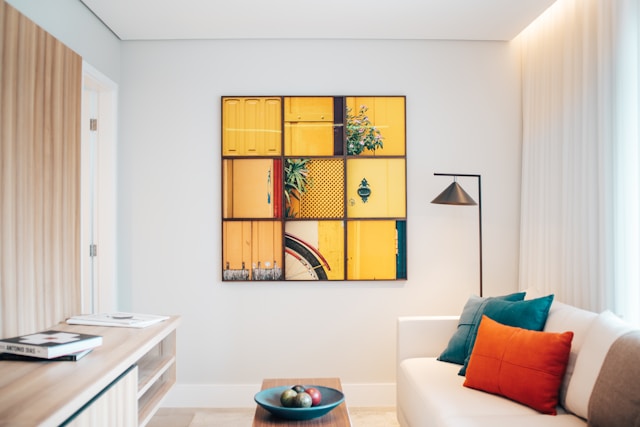
Decorating a small apartment can be tricky, especially when working with a limited budget. Minimalist decorating is the perfect approach for compact spaces because it emphasizes simplicity, functionality, and intentional design. By focusing on essentials and eliminating clutter, you can make your apartment feel more open, organized, and stylish without spending a fortune.
Minimalism isn’t about empty spaces or cold interiors—it’s about thoughtful choices that prioritize quality, utility, and aesthetic harmony. Here are practical minimalist decorating tips for small apartments that are budget-friendly and impactful.
Start with Decluttering
Minimalism begins with clearing out unnecessary items. In small apartments, clutter can quickly make a space feel cramped and chaotic.
Go through your belongings and remove items you don’t use or need. Donate, recycle, or store things that don’t serve a purpose. Maintaining a clean and organized space is the foundation of minimalist décor, and it doesn’t cost anything.
A clutter-free apartment instantly feels larger and more inviting.
Choose Neutral and Light Color Palettes
Light colors and neutral tones are central to minimalist design. Whites, creams, soft grays, and beige make spaces feel airy and open, which is especially important in small apartments.
Using a consistent color palette across walls, furniture, and décor items creates a harmonious look that visually expands your space. You can add subtle pops of color with cushions, rugs, or small décor pieces to keep the environment from feeling flat.
Select Multi-Functional Furniture
Minimalism is about functionality as much as aesthetics. Choose furniture that serves multiple purposes to save space and money.
Examples include storage ottomans, sofa beds, coffee tables with hidden compartments, and foldable desks. Multi-functional furniture reduces clutter, optimizes your apartment layout, and eliminates the need for extra pieces.
Investing in a few versatile items is more cost-effective than filling your apartment with single-purpose furniture.
Embrace Vertical Storage Solutions
Small apartments often lack floor space, so using vertical space is crucial. Installing shelves, hooks, and wall-mounted storage helps you organize essentials without crowding the floor.
Floating shelves are an inexpensive option for books, plants, and décor items. Wall hooks can hold bags, jackets, or kitchen utensils, while vertical cubbies or modular units offer organized storage for clothes or supplies.
Vertical storage maximizes space and keeps your apartment tidy, aligning perfectly with minimalist principles.
Limit Decorative Items
Minimalist décor relies on intentionality rather than quantity. Instead of filling every surface with items, choose a few meaningful or functional pieces.
For example, a single vase with fresh flowers, a framed photo, or a small sculpture can serve as a focal point without overwhelming the space. This approach is budget-friendly, reduces clutter, and maintains a clean, open aesthetic.
Incorporate Mirrors to Enhance Space
Mirrors are a powerful tool for small apartments. They reflect light, create the illusion of depth, and make rooms feel larger.
A large mirror on one wall or several smaller mirrors arranged artistically can visually expand your space. Mirrors are relatively inexpensive and instantly improve both the look and feel of your apartment.
Use Lightweight and Transparent Furniture
Furniture that appears visually light or transparent can help make a small apartment feel more spacious. Acrylic chairs, glass tables, and furniture with slim legs create an open, airy environment.
Avoid bulky, heavy pieces that dominate the room and block sightlines. Minimalist furniture should feel light while remaining functional.
Incorporate Natural Elements
Plants, natural wood, and stone accents can add warmth and texture without cluttering the space. Even a few small potted plants or a simple wooden shelf can make your apartment feel fresh and welcoming.
Minimalist décor favors simple, natural materials over ornate or overly decorative elements, which also helps keep costs down.
Stick to Simple Patterns and Textures
When adding textiles like rugs, pillows, or curtains, keep patterns subtle and textures minimal. Avoid busy designs that can make a small space feel chaotic.
Neutral or single-color rugs, solid-colored cushions, and simple window treatments help maintain a calm, cohesive look. Layering textures sparingly—like a soft throw or woven rug—adds interest without overwhelming the room.
Keep Pathways Clear
In small apartments, it’s essential to maintain open pathways. Furniture should be arranged to allow easy movement throughout the apartment.
Avoid overcrowding with unnecessary pieces. Keeping floors clear not only improves functionality but also enhances the sense of space and order, which is central to minimalist living.
DIY and Upcycled Projects
Minimalist decorating doesn’t have to be expensive. Simple DIY projects or repurposing old furniture can create stylish, functional pieces on a budget.
For example, paint an old dresser in a neutral color, turn wooden crates into shelves, or make your own wall art with inexpensive materials. These projects are budget-friendly, sustainable, and allow you to personalize your apartment without compromising the minimalist aesthetic.
Final Thoughts
Minimalist decorating is an excellent strategy for small apartments, especially when working with a limited budget. By focusing on decluttering, neutral color schemes, multi-functional furniture, vertical storage, and intentional décor, you can create a living space that feels larger, cleaner, and more harmonious.
Small apartments benefit from thoughtful planning, and minimalism encourages you to invest in pieces that serve multiple purposes while maintaining a serene environment. With these tips, you can enjoy a stylish, functional, and budget-friendly apartment that feels spacious and welcoming.
Minimalism proves that simplicity and intentional design can make a big impact—without spending a fortune or sacrificing comfort.